

4.6 min read
Shelf life: looks good today, lasts 7 days? Don’t let it spoil your product.
Shelf life: have you ever wondered about it?
Ever picked up a packed product at the supermarket and wondered how it stays fresh for so long? Behind every cookie, cake, or snack, there’s a hidden world of science and strategy. From careful ingredient choices to clever packaging, every detail is designed to keep products looking great, tasting amazing, and lasting longer than you might expect.
Let’s explore it together!
Shelf life, what is it?
Shelf life is the period during which a product remains safe to consume, visually appealing, and tasty.
It’s not just about expiration dates. It’s about quality perception: a cookie that’s technically safe to consume after a week won’t satisfy customers if it’s contained in stale, old-looking packaging.
Why do baked goods go stale?
From the moment your product gets on the shelf, it’s attacked on multiples sides from different natural processes reduce its shelf life:
- Moisture loss: bread and cakes contain water that gradually migrates to the outside. This loss leads to a firmer crumb and dryness.
- Fat oxidation: butter, oils, and margarine can become rancid when exposed to oxygen, altering taste and smell.
- Microbial growth: molds and bacteria can develop, especially if the product is stored in warm and humid environments.
- Physical and chemical changes: changes in color, flavor, or texture occur due to reactions between sugars, starches, and proteins (for example, starch retrogradation).
How packaging helps extend shelf life
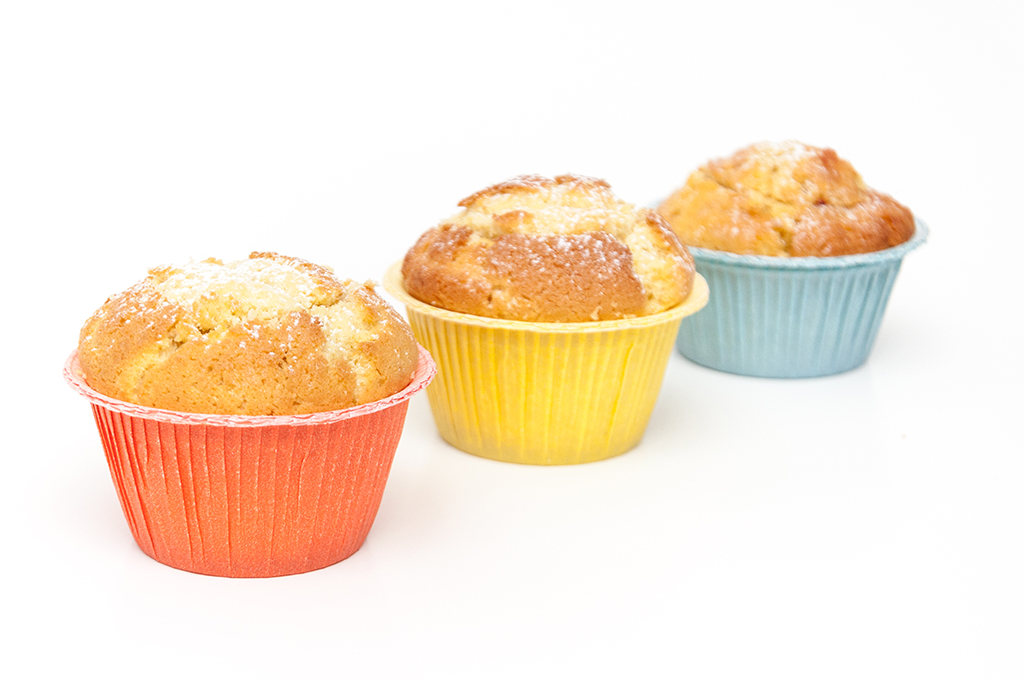
So, how do you make a product last long, and great?
Packaging is one of the most important factors in preserving baked goods: in the case of paper cups or baking moulds, packaging plays a key role. But how?
1. Protects from the external environment
- Prevents contamination from dust, bacteria, or insects.
- Reduces exposure to air and oxygen, slowing down fat oxidation.
2. Manages moisture
- Paper cups absorb some of the steam during baking and storage, preventing the product from becoming too moist or soggy.
- Moreover, certain types of paper are treated to resist moisture and grease, helping maintain the cake’s softness without making the bottom soggy.
3. Supports physical stability
- Keeps the shape of the baked good, reducing the risk of deformation or breakage during transport and storage.
- Containing individual portions makes distribution easier and allows gradual consumption without compromising the quality of the remaining pieces.
Without proper packaging, shelf-life is drastically reduced, and so it’s the appeal that your product has in consumers’ eyes.
The crucial role of paper packaging in product shelf life
It’s not just about protecting what’s inside: the very mould that holds the product must also preserve its own integrity over time. A well-designed, durable paper baking mould ensures that the product reaches the consumer intact, and that it stays fresh, appealing, and fragrant for longer. Every detail counts: from the thickness of the paper to the way it interacts with moisture and temperature, because even small weaknesses in the packaging can affect the product’s performance on the shelf.
Paper that’s too fragile, absorbs moisture too easily, or loses resistance to humidity can compromise shelf life, making the product more vulnerable to deformation, breakage, or contamination. This not only affects the quality perceived by consumers but can also result in waste and increased costs throughout the supply chain. Conversely, a carefully engineered, high-performance mould supports every stage of distribution and storage, from the factory to the retailer, extending product life and enhancing the perception of quality at every touchpoint.
A good paper packaging solution, therefore, doesn’t just wrap and protect: it becomes a true ally in preserving shelf life. It ensures that what’s “good today” remains “good tomorrow,” maintaining freshness, aroma, and visual appeal for longer periods. Beyond protection, high-quality paper packaging also communicates reliability and professionalism, reinforcing brand value and consumer trust. In a competitive market, where first impressions matter as much as product performance, the right paper mould is more than packaging, it’s a strategic tool for quality, consistency, and long-term customer satisfaction.
For more interesting topics and updates, follow us on LinkedIn!


 Ecopack Italy
 Ecopack Brazil
 Ecopack Canada
 Ecopack India
 Ecopack Tunisia


