

2.9 min read
6 truths behind sticky bake
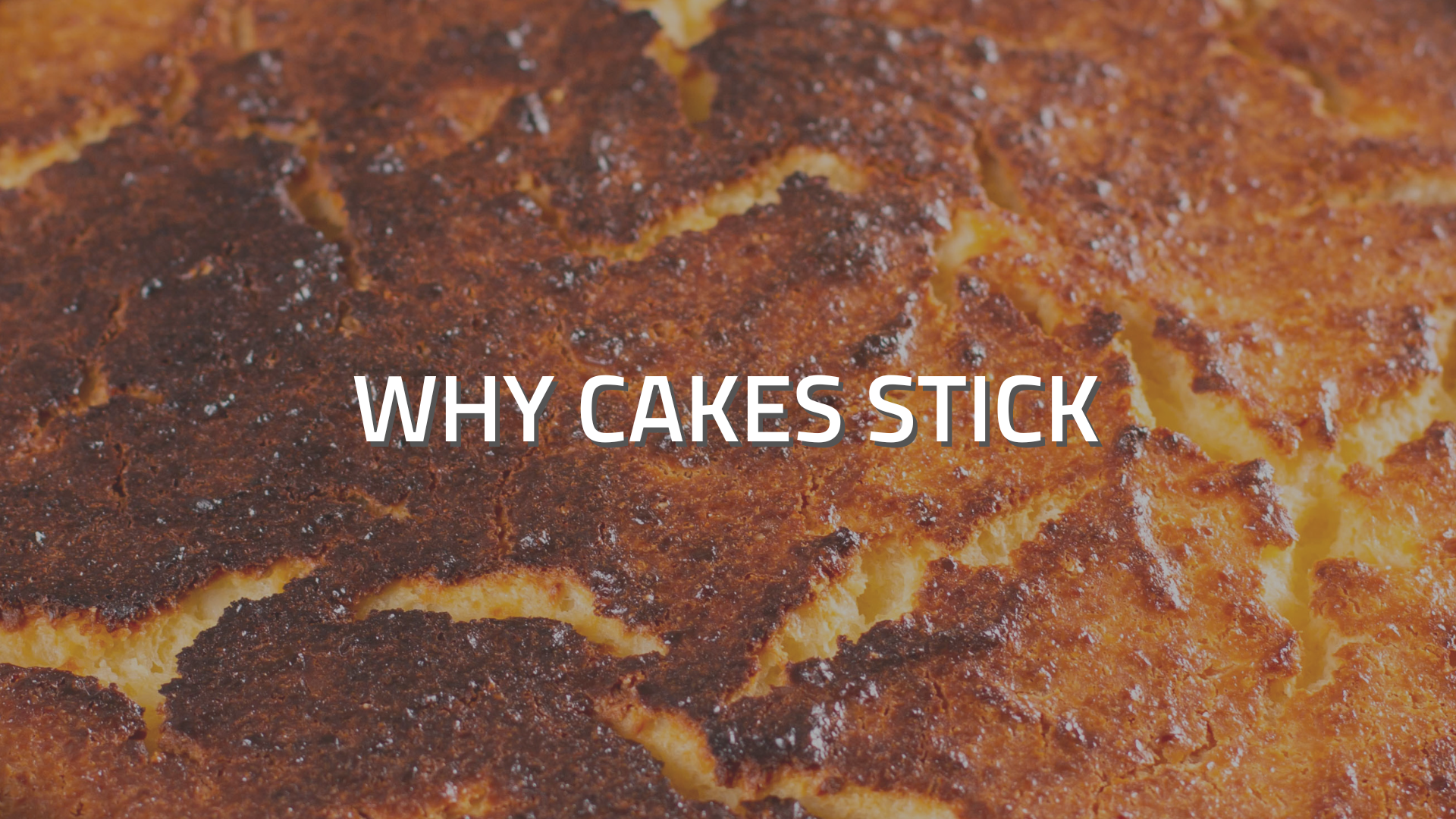
In industrial bakery production, even baking and easy release from moulds are essential to ensure product quality and reduce waste. However, it is common to observe that some areas of the product stick while others release easily. Understanding the causes allows manufacturers to optimize the baking process and improve overall efficiency.
It’s a matter of heat
Uneven baking often results from temperature differences across the oven or mould. Hotter areas form a surface crust more quickly, reducing sticking. Cooler areas retain moisture longer, increasing the likelihood of localized adhesion.
Moisture moves…but not evenly
During baking, water in the batter moves toward cooler areas of the mould. Even small temperature differences can create localized condensation, increasing the risk of sticking in specific spots.
The Maillard reaction
The golden surface and easy release are due to the Maillard reaction, which occurs between sugars and proteins at 140°C–165°C (284°F–329°F). Cooler or more humid areas prevent the reaction from completing, increasing the likelihood of sticking.
The physics of the batter
Batter rich in eggs, butter, and sugar tends to release more easily from moulds, while leaner batters or those with wholegrain flours are more prone to sticking. Even within the same batter, local variations in density, fat distribution, and moisture can affect release.
The mould makes a difference!
In addition to the many factors in the batter that affect how much it sticks, the baking mould plays a crucial role in production outcomes. The material it is made of, along with the microtexture of its surface, significantly influences how heat is distributed during baking, how moisture accumulates, and, consequently, how much the batter tends to adhere.
When a mould provides even heat distribution, the product bakes more uniformly and releases more easily, minimizing areas where sticking may occur. Conversely, uneven heating can lead to localized adhesion, increasing waste and complicating product removal.
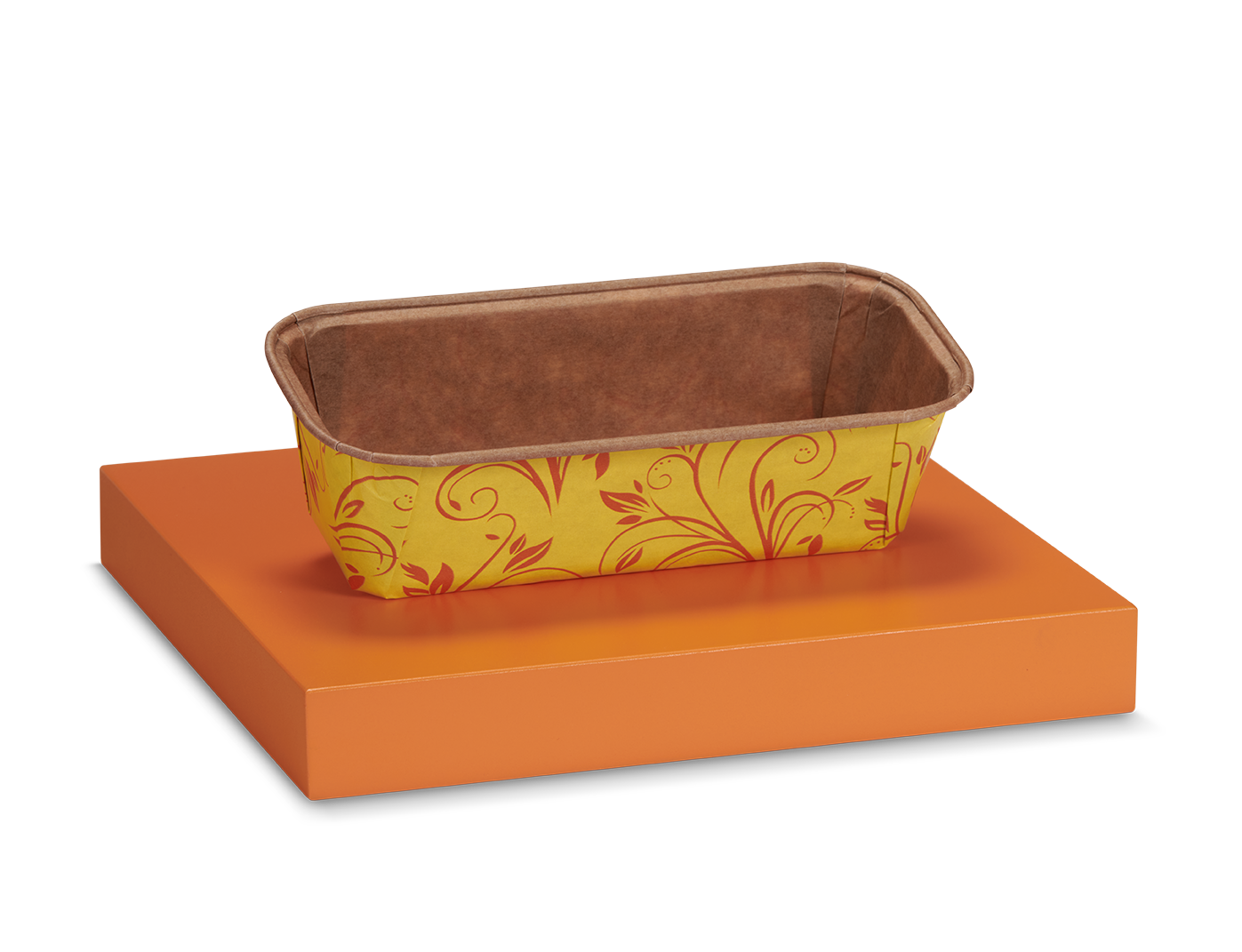
Using high-quality paper baking moulds promotes uniform evaporation and consistent heat transfer, resulting in fewer sticking points and more reliable product release. In contrast, thicker metal moulds, which tend to heat less evenly, can increase the likelihood of batter sticking in certain areas. Choosing the right mould is therefore a key factor in achieving consistent baking performance, reducing production losses, and ensuring operational efficiency.
The impact on your production
For bakery manufacturers, choosing the right mould is as important as formulating the batter. High-quality moulds with uniform heat distribution and controlled surfaces optimize production, reduce waste, and ensure consistent product quality.
For more interesting topics and updates, follow us on LinkedIn!


 Ecopack Italy
 Ecopack Brazil
 Ecopack Canada
 Ecopack India
 Ecopack Tunisia


