

2.7 min read
4 ways baking moulds change taste: paper vs aluminium
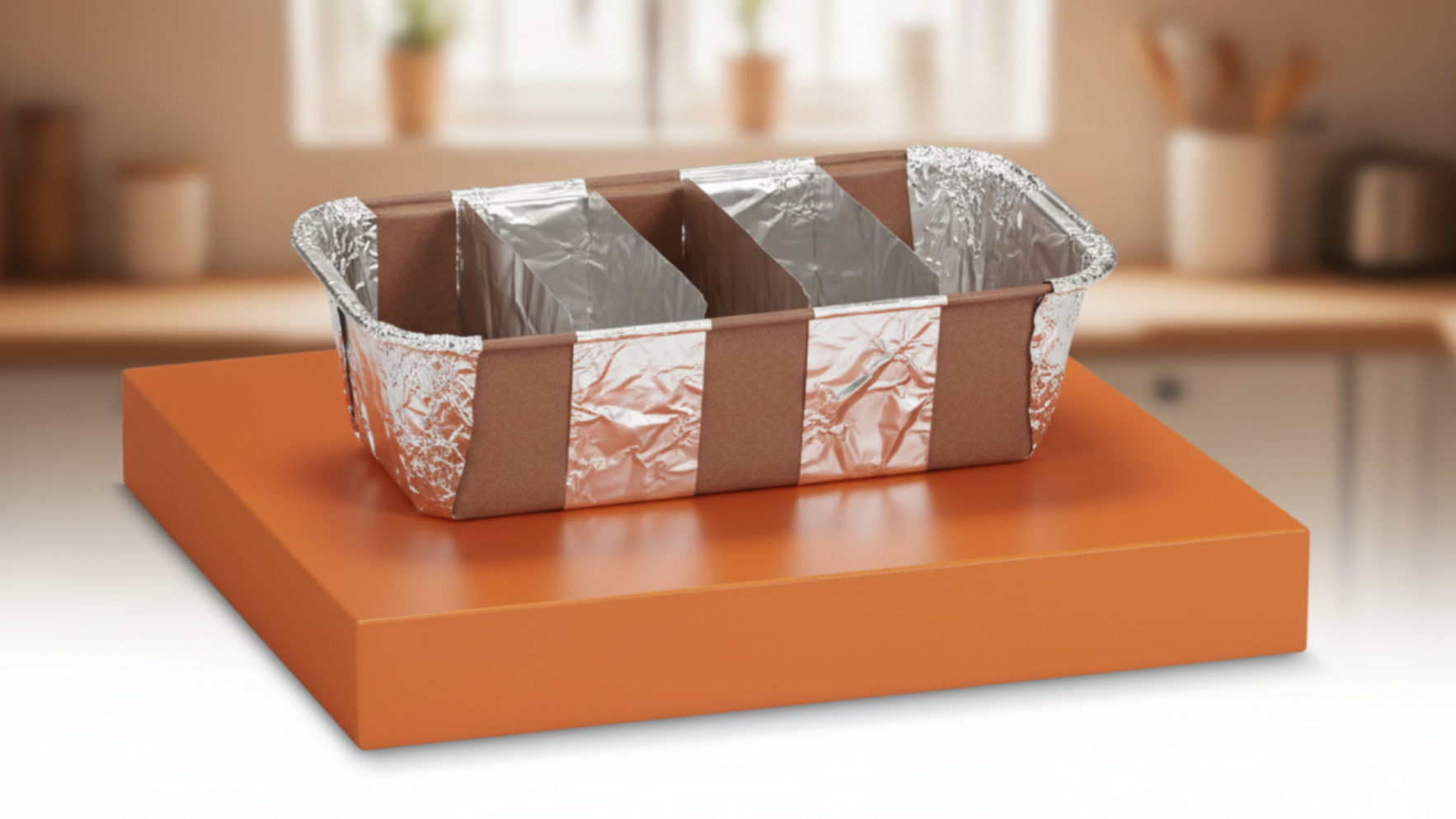
In the world of bakery and confectionery, ingredients, fermentation, baking techniques, and moulds often take center stage. But one element that is often overlooked can influence the sensory experience of the finished product: the mould. Is it really possible that the material or shape of this element can change the taste? The answer might surprise you.
Material vs taste: myth or reality
A mould does not “add flavour” directly. Certified paper, aluminium, or steel ones do not release aromas. Yet, the material influences how heat enters the batter, how the crust forms, and how moisture is distributed. These factors affect aromatic perception and texture, both closely linked to how we experience taste.
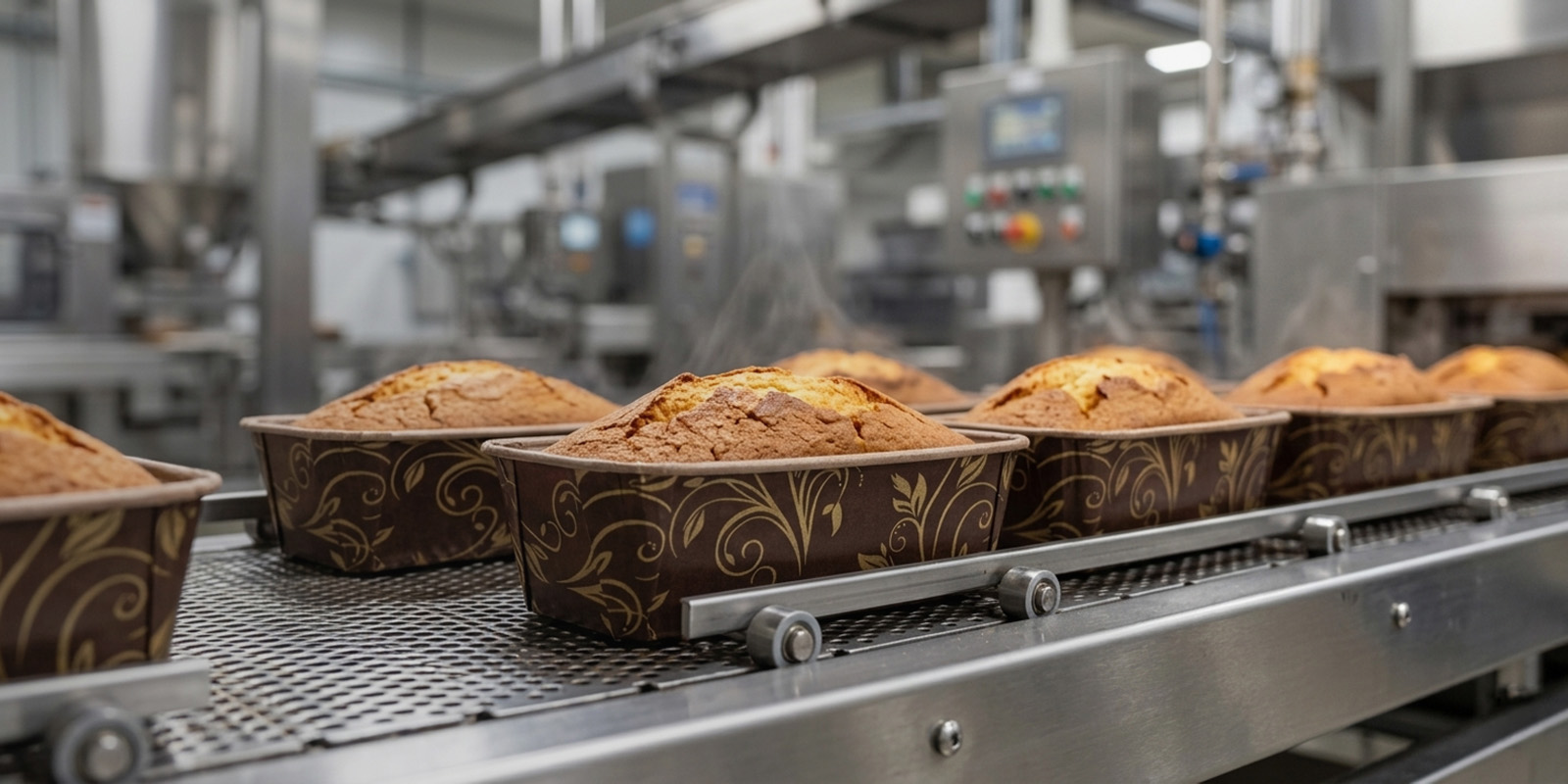
Paper vs aluminium: the mould that makes a difference
Not all disposable moulds behave the same way. Paper, thanks to its lightness and breathability, allows a more gradual baking and better moisture management, resulting in products with a soft, even crumb. Aluminium, on the other hand, conducts heat faster, promoting intense browning and a crisper crust. Both materials maintain hygiene and practicality in production, but the way they interact with heat and steam can change the perceived taste and texture. Paper also often offers sustainability advantages, without affecting the final result.
Thermal conductivity and baking
Every material has a different thermal conductivity: aluminium transfers heat quickly, enhancing roasted flavours; steel transmits heat more slowly, ensuring even baking; paper heats more gradually, keeping internal moisture and softness. In essence, the mould doesn’t change the ingredients, but it affects how the recipe expresses itself.
Moisture and structure: the hidden factor
Steam and moisture management is another critical aspect. Batter baked in paper can retain more moisture, resulting in a soft, fresh crumb, while a fully impermeable mould promotes a crisper crust and more caramelised notes. The mould’s shape, wall thickness, and rigidity also influence vertical rise and final texture, subtly changing the overall taste experience.
Business impact
For a producer, understanding these details means controlling quality, consistency, and the customer’s perception. Small differences in baking can affect aroma, colour, texture, and perceived taste, all key elements for premium baked goods or products destined for export.
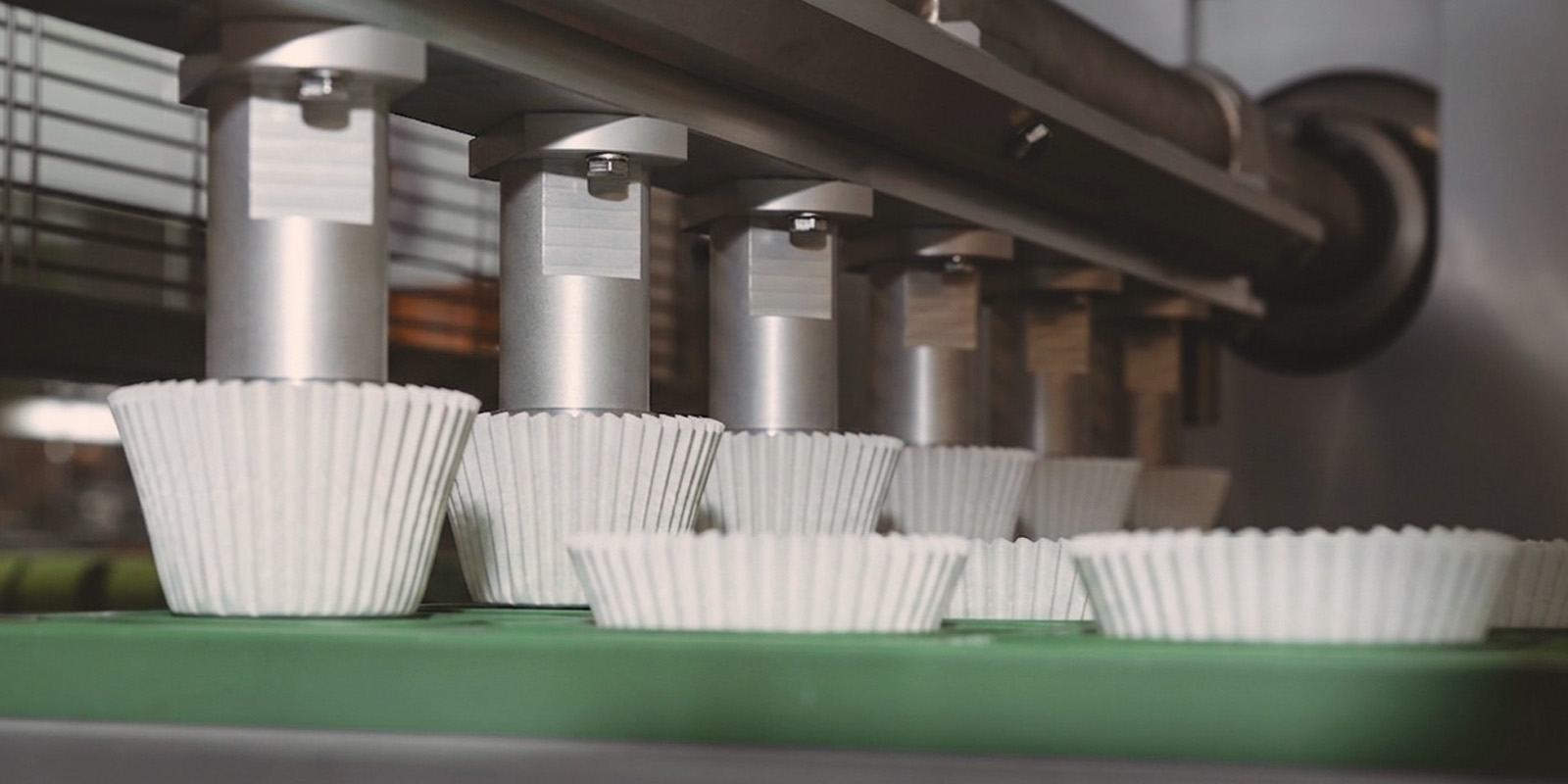
Have you ever noticed taste differences depending on the mould you use in your production? Share your experience with us and let’s explore how small details can make a big difference.💡
Follow us on LinkedIn!



 Ecopack Italy
 Ecopack Brazil
 Ecopack Canada
 Ecopack India
 Ecopack Tunisia


